Laser Ski Rejuvenation? Your Skin’s Natural Collagen Production
As we age, one of the biggest changes taking place beneath the surface of our skin is something we can’t actually see: our natural production of collagen gradually declines.
Collagen is one of the proteins responsible for giving skin its structure, firmness and elasticity. As collagen levels reduce over time, we begin to notice familiar signs of ageing – including fine lines, changes in texture and skin that doesn’t feel quite as firm as it once did.
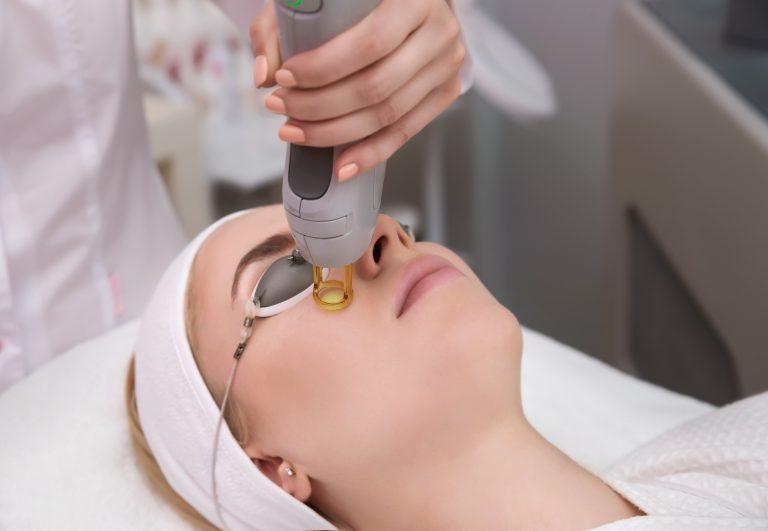
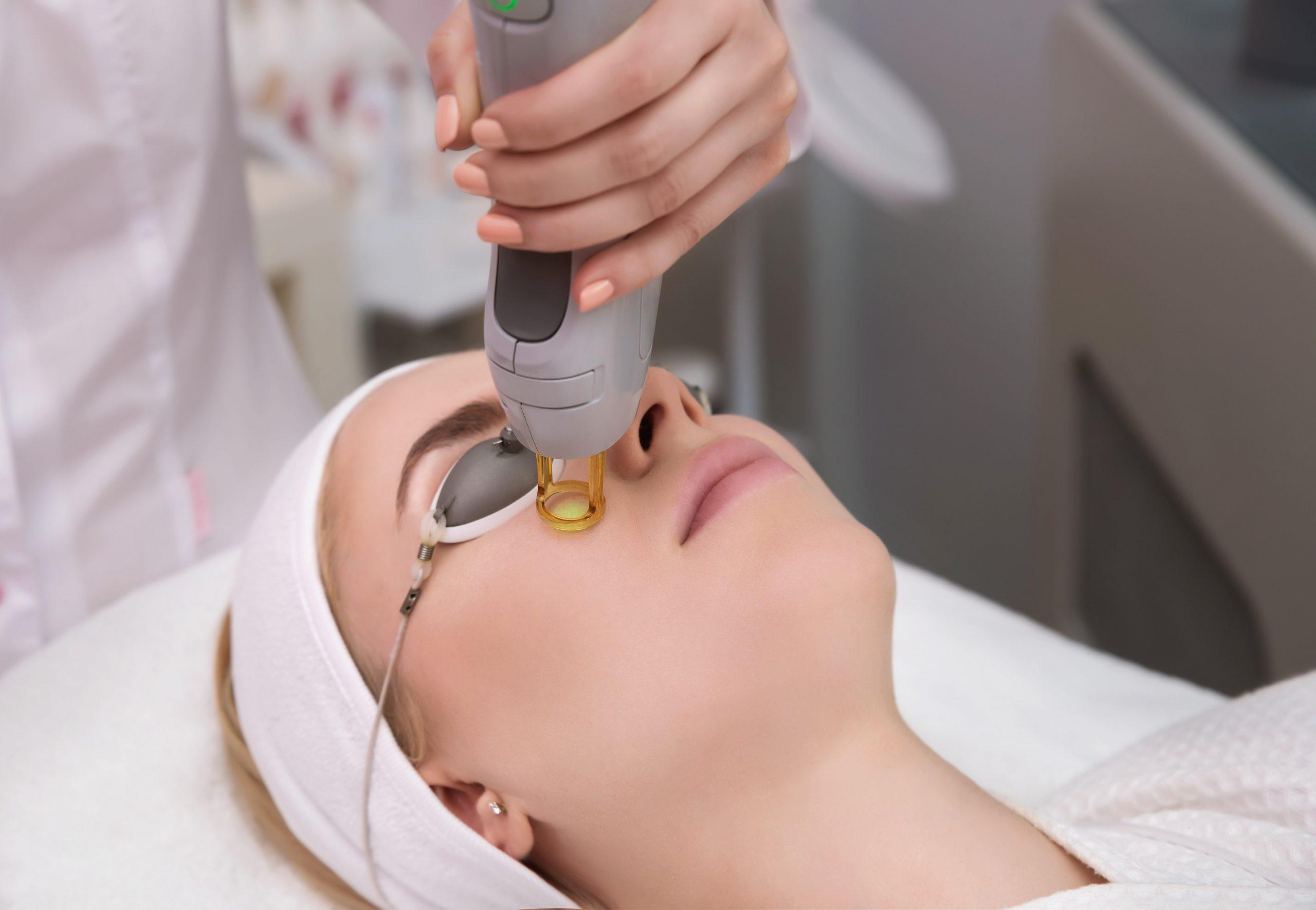
At The Laser Lounge Hereford, our laser skin rejuvenation treatment uses the advanced Candela GentleMax Pro Plus® to deliver controlled laser energy into the skin, encouraging the skin’s own natural regenerative response and stimulating the production of new collagen.
The result? A treatment designed to work with your skin, helping it gradually appear smoother, firmer, fresher and more youthful.
How Does Laser Skin Rejuvenation Work?
One of the clever things about laser rejuvenation is that we’re not simply treating the surface of the skin.
Controlled laser energy is delivered into the deeper layers of the skin, creating heat within the dermis while leaving the surface intact.
This controlled heating stimulates a natural response within the skin and encourages the processes involved in new collagen production and remodelling.
In other words, the laser isn’t putting collagen into your face.
It’s encouraging your own skin to produce it.
That’s one of the reasons laser rejuvenation is very different from treatments designed to provide an immediate cosmetic change.
Why Is Collagen So Important?
Think of collagen as part of your skin’s internal support structure.
When we’re younger, collagen is produced readily and helps give skin its firmness, strength and smooth appearance.
As we get older, collagen production naturally slows. Sun exposure and other environmental factors can contribute further to changes within the skin.
This can result in:
Fine lines becoming more noticeable
Reduced firmness
Changes in skin texture
Enlarged-looking pores
A duller complexion
Uneven skin tone
Skin losing some of its youthful appearance
Stimulating collagen production is therefore an important part of many modern skin rejuvenation treatments.
The Results Develop Gradually
One of the most important things to understand about collagen-stimulating treatments is that the full effect doesn’t happen overnight.
The treatment starts a biological process within your skin.
Your body then needs time to produce and remodel collagen.
Research into non-ablative 1064nm Nd laser treatment has demonstrated evidence of new collagen formation following a course of treatments, with measurable changes still present several months after treatment.
That means improvements can develop progressively rather than simply disappearing when you leave the clinic.
Many clients actually prefer this type of result because the change can look natural – you’re not suddenly walking out looking like you’ve had something “done”.
Instead, your skin can gradually begin to look healthier, smoother and refreshed.
What Can Laser Skin Rejuvenation Improve?
Because we’re improving the quality of the skin rather than simply targeting one line or wrinkle, laser rejuvenation can be a great treatment for people who feel their skin has generally started to look a little tired or aged.
Depending upon your individual skin and treatment plan, laser rejuvenation may help improve the appearance of:
Fine lines
By encouraging collagen production and remodelling within the skin.
Skin texture
Helping the skin feel smoother and appear more refined.
Skin firmness
New collagen helps support the structure of the skin.
Enlarged-looking pores
Improved skin quality and texture can make pores appear less prominent.
Dull or tired-looking skin
Giving the complexion a fresher, healthier appearance.
Uneven skin tone and redness
Laser treatment may also be suitable for addressing certain vascular and pigmentation concerns, depending on the individual.
Why We Use the Candela GentleMax Pro Plus®
At The Laser Lounge Hereford, we’ve invested in the Candela GentleMax Pro Plus®, an advanced medical-grade laser platform.
It gives our practitioners considerable control over the way laser energy is delivered, allowing treatments to be tailored according to the client’s skin, treatment area and desired outcome.
That’s important because effective laser treatment isn’t simply about owning a powerful laser.
It’s about selecting the appropriate treatment parameters for the person sitting in front of you.
Every client’s skin is different, which is why we begin with a consultation and assessment before recommending a treatment program.
Does Laser Skin Rejuvenation Hurt?
Most people find facial rejuvenation treatment very manageable.
The treatment produces a warming sensation as energy is delivered into the skin. Unlike more aggressive ablative laser resurfacing procedures, we’re not removing the outer layers of the skin.
This is one of the reasons non-ablative laser rejuvenation can be attractive to people who want to improve their skin without the significant downtime associated with more invasive resurfacing treatments.
Is There Any Downtime?
Downtime is generally minimal, although everybody’s skin responds differently.
You may experience some temporary warmth or redness following treatment, but we’ll explain exactly what you should expect and provide you with appropriate aftercare advice.
You should also take sun protection seriously following treatment – and ideally as part of your everyday skincare routine.
How Many Treatments Will I Need?
Collagen stimulation is a process rather than a one-off event, so we will usually recommend a course of treatments for the best results.
The number and frequency will depend on your skin, age, concerns and what you’re hoping to achieve.
Because collagen production continues after treatment, the final result of a course isn’t necessarily what you see immediately after your last appointment.
Your skin continues doing some of the work for you.
Laser Rejuvenation vs Injectables
This is an important distinction.
Laser skin rejuvenation isn’t designed to replace Botox or dermal fillers – and it doesn’t work in the same way.
Injectable treatments can target specific aspects of facial ageing, whereas laser rejuvenation is primarily about improving the quality of the skin itself.
There is no filler being placed underneath the skin and we’re not temporarily paralysing facial muscles.
Instead, we’re encouraging your skin’s own regenerative processes.
For clients who want to look fresher rather than different, this can be particularly appealing.
When Should You Start Collagen-Stimulating Treatments?
You don’t necessarily have to wait until you have significant lines or loss of firmness.
There are broadly two reasons people choose collagen-stimulating treatments.
Some want to correct changes they can already see.
Others are thinking more about maintaining the quality of their skin as they get older.
There’s no universal “right age”. Your skin, lifestyle, sun exposure and genetics all play a part, which is why a consultation is more useful than simply choosing a treatment based on your age.
Is Laser Skin Rejuvenation Right for You?
The best way to find out is to have your skin properly assessed.
At The Laser Lounge Hereford, we’ll talk about what you actually want to improve, assess your skin and explain whether laser rejuvenation is an appropriate treatment for you.
We don’t believe everyone needs the same facial or the same treatment program.
Our aim is to use advanced technology intelligently to help your skin look healthier, smoother and naturally rejuvenated.
Laser Skin Rejuvenation in Hereford
If you’ve noticed changes in the texture, firmness or overall appearance of your skin and would like to explore a treatment that works by encouraging your body’s own natural collagen production, laser rejuvenation could be worth considering.
Book a consultation at The Laser Lounge Hereford to find out whether treatment with our Candela GentleMax Pro Plus® is suitable for your skin.
Better skin isn’t always about adding something. Sometimes it’s about encouraging your skin to do more for its